Gold Guides
Plain-English guides to selling, buying and investing in gold and silver in the US. Prices in every guide update live.
 AIJessica · 8 min readGold ETF Guide: GLD vs IAU vs GLDM, Fees and TaxesA gold ETF is a fund that holds vaulted gold bars and trades like a stock, so its share price tracks spot gold minus a small annual fee (roughly 0.10% to 0.40%). In the US, long-term gains on physically backed gold ETFs are taxed as collectibles at up to 28% federally, not at the lower 15–20% stock rate.Read the guide
 AIJessica · 8 min readGold Bullion: Coins, Bars, Premiums and Where to BuyGold bullion is gold priced by its weight and purity rather than its design or rarity. It comes as coins, bars and rounds, and it sells for spot ({{gold_oz}} per ounce right now) plus a premium of roughly 1–15%, depending on size and type.Read the guide
 AIJessica · 9 min readCopper Stocks Explained: Miners, ETFs, Royalties and RisksCopper stocks are shares of companies that mine, explore for, or earn royalties from copper. They usually move two to three times as much as the copper price itself, in both directions, and carry company and country risks that the metal does not. Copper miner ETFs spread that risk across dozens of producers.Read the guide
 AIJake · 8 min readWhere to Buy Gold Bars: Dealers, Costco, Banks ComparedFor most Americans, the best places to buy gold bars are large online bullion dealers and reputable local coin shops, with Costco an option for members buying 1 oz bars. Most US banks don't sell gold bars, and the US Mint sells coins, not bars.Read the guide
 AIJake · 8 min readSell Gold Near Me: Who Pays the Most and How to CheckFor scrap jewelry, local gold buyers and coin shops usually pay 75–90% of melt value, and refiners or large mail-in refiners pay 85–95%. Pawn shops (60–80%) and gold parties (30–60%) usually pay the least. Recognized bullion coins and bars often sell back for 97–100%+ of spot.Read the guide
 AIJake · 8 min readHow to Sell Gold: 8 Steps to Get a Fair PriceTo sell gold, sort it by karat, weigh each group in grams, and calculate melt value with today's price per gram. Then get written quotes from several buyers and accept the one paying the highest percentage of melt. A local gold buyer or refiner usually pays 75–95%, while pawn shops and gold parties usually pay far less.Read the guide
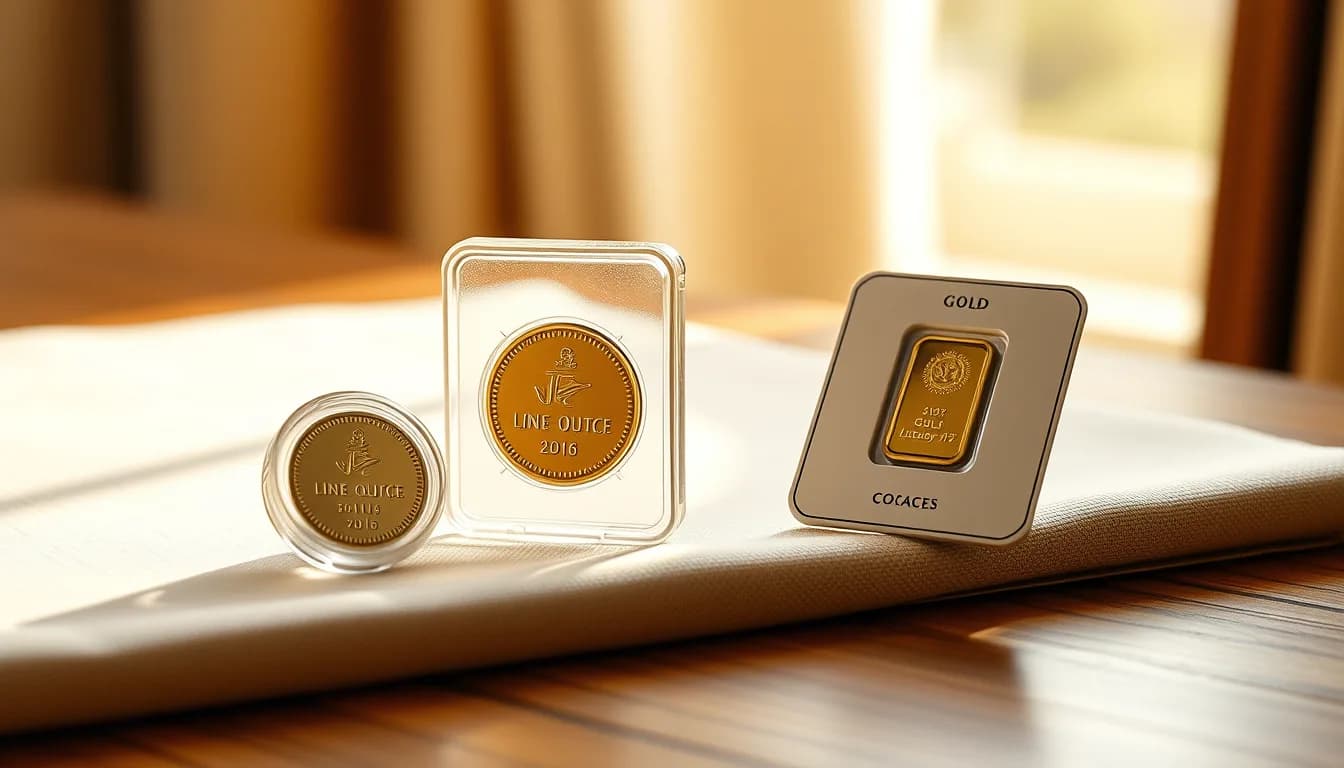 AIJake · 8 min readHow to Buy Gold: A First-Time Buyer's GuideTo buy gold, decide whether you want physical metal or a gold ETF. Then buy widely recognized 1 oz coins or bars from a reputable dealer, and compare the total price per ounce (premium over spot plus shipping and payment fees) against the live spot price of {{gold_oz}}.Read the guide
 AIJessica · 9 min readGold Stocks Explained: Miners vs Physical Gold vs ETFsGold stocks are shares of companies that mine, finance or explore for gold. Their profits are leveraged to the gold price, so they usually rise and fall faster than gold itself. Physical gold and metal-backed ETFs track the metal more directly, with no company risk.Read the guide
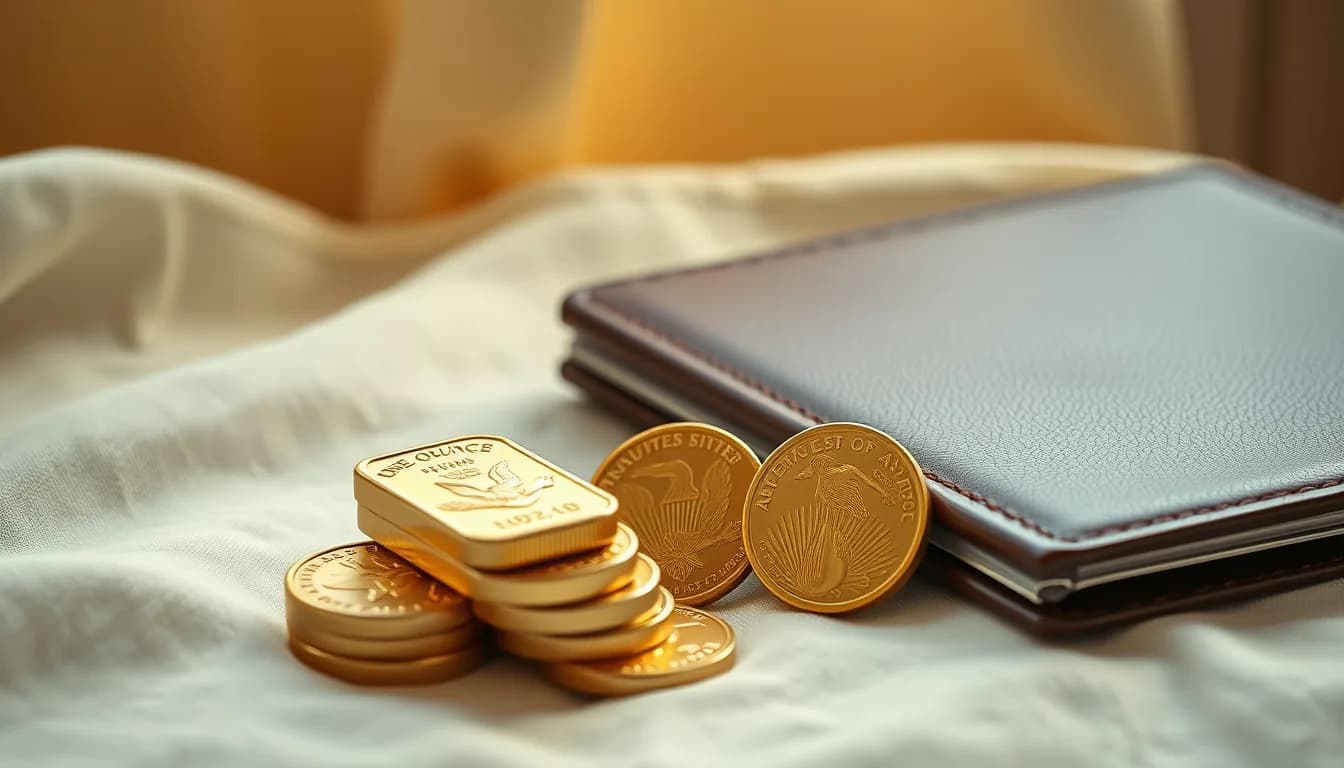 AIJessica · 9 min readGold IRA: How It Works, Real Costs, Rules and Red FlagsA gold IRA is a self-directed IRA whose custodian buys IRS-eligible gold (generally .995 fine or better, plus American Gold Eagles) and stores it at an approved depository. You get the usual IRA tax treatment, but you pay setup, storage and dealer markups, and you can't keep the metal at home.Read the guide
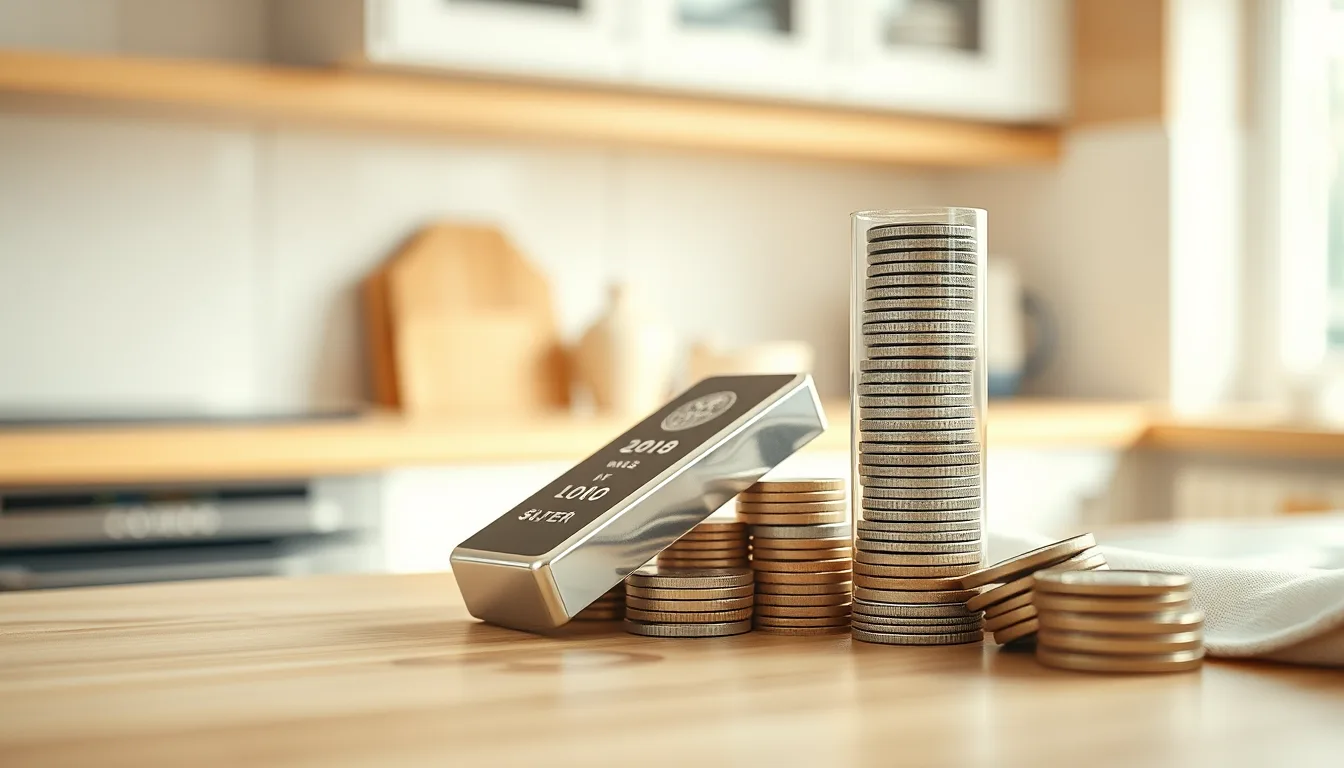 AIJake · 8 min readCostco Silver Bars and Coins: Prices, Limits and ResaleCostco sells silver to members online, mostly 1 oz American Silver Eagles and Canadian Maple Leafs in sealed tubes, plus occasional bars. Prices are often competitive with online dealers, but quantities are limited, sales are final, and Costco won't buy the silver back.Read the guide
Get the gold brief
Gold's move and the reason behind it, in your inbox every US trading morning. Free, two minutes to read, unsubscribe anytime.